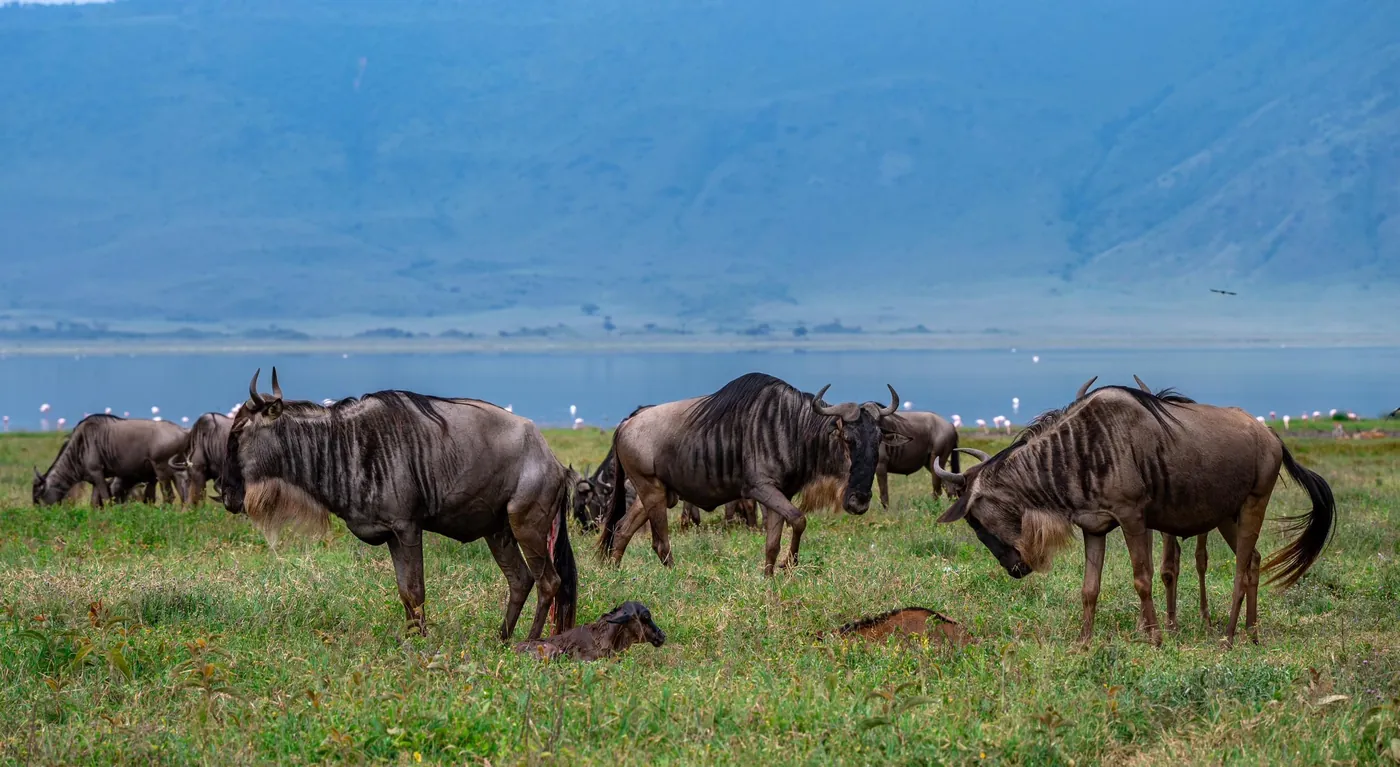




There is a moment, somewhere on the Serengeti, when the horizon begins to move. What looked like shadow becomes a line of wildebeest, and the line becomes a river of life stretching further than the eye can follow.
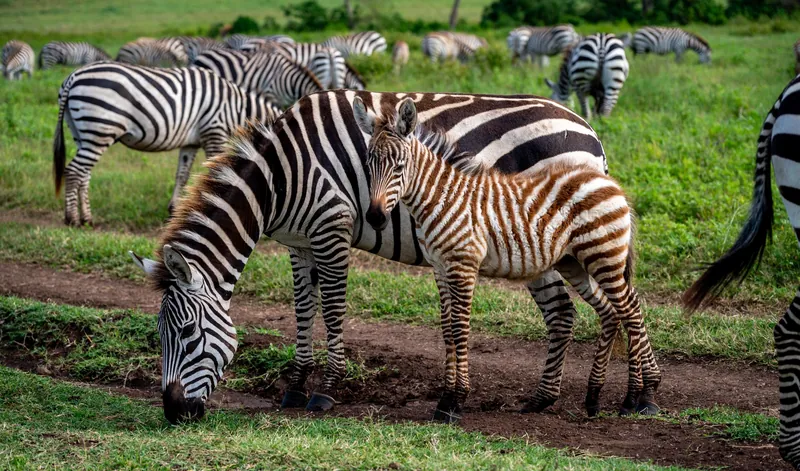
Every year, vast herds of wildebeest, accompanied by zebra and gazelle, follow the rains across the Serengeti ecosystem in a great, unending circle. It is not a single event but a living rhythm — one that shapes the landscape, the predators that follow and every journey we design around it.
A year in motion
Early in the year the herds gather on the southern short-grass plains, where hundreds of thousands of calves are born within a few weeks. As the plains dry, the herds move north and west, and by the middle of the year they reach the rivers of the northern Serengeti — the setting for the dramatic crossings so many travellers dream of.